
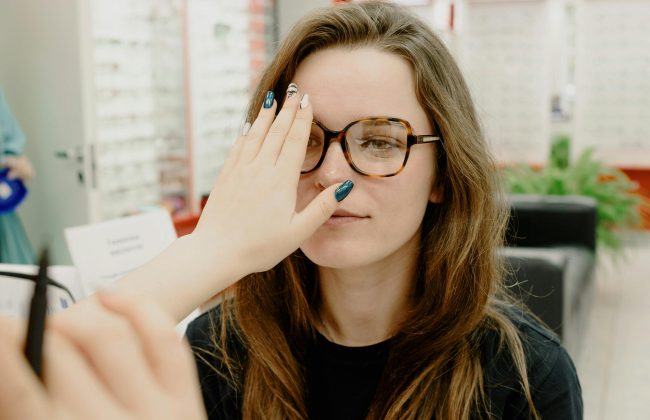
Pregnancy brings many changes to a woman’s body, and the eyes are no exception. From blurry vision to dry eyes, many new mothers experience shifts in their eyesight during and after pregnancy. While some of these changes are temporary, others may require medical attention. Understanding these common vision changes and how to address them can help you take control of your eye health after pregnancy.
What Are the Common Vision Changes After Pregnancy?
During pregnancy, the body goes through several hormonal changes that can affect the eyes. After giving birth, some of these changes continue for a short period, and others may even last longer. Understanding the most common vision changes you might experience can help you know when to seek help and how to manage these issues.
Blurry Vision
One of the most common vision changes after pregnancy is blurry vision. This often occurs due to hormonal fluctuations that affect the shape and size of the cornea (the transparent part of the eye). Hormonal shifts can also affect fluid retention, leading to swelling in the eyes and contributing to blurry vision.
For many women, blurry vision is temporary and fades as hormone levels stabilize. However, if the blurriness persists or worsens, it’s essential to see an eye specialist.
Dry Eyes
Pregnancy hormones, especially during the third trimester, can cause the tear glands to produce fewer tears. This results in dry, itchy, or burning eyes. This can continue postpartum due to the lingering hormonal effects on the body.
Dry eyes can be uncomfortable but can usually be managed with lubricating eye drops or by increasing the humidity in your living space. If the dryness doesn’t improve, it’s worth consulting an eye doctor.
Changes in Prescription
Some women notice a change in their glasses or contact lens prescription during pregnancy. This can be due to changes in the shape of the cornea or increased fluid retention, which alters the way light enters the eye. These changes can cause blurry or distorted vision.
It’s common for women to need a new glasses prescription after pregnancy as their body returns to normal. Keep track of any changes in vision and consult an optometrist when necessary.
What Causes Vision Changes After Pregnancy?
Several factors can contribute to vision changes after pregnancy, some temporary and others that may require ongoing management.
Hormonal Changes
Pregnancy causes a significant increase in hormones like estrogen and progesterone. These hormones can affect fluid balance in the body, including in the eyes. The cornea may become slightly swollen, and the tear glands might produce fewer tears, leading to blurry vision or dryness.
These hormonal changes typically resolve after birth, but it can take some time for vision to return to normal as hormone levels stabilize.
Fluid Retention
Fluid retention during pregnancy can cause swelling throughout the body, including in the eyes. This swelling may change the shape of the cornea, affecting the ability of the eye to focus correctly. It’s not uncommon for women to feel that their vision becomes blurry or distorted after pregnancy because of this fluid retention.
Fluid retention usually goes away a few weeks postpartum, and vision should improve as swelling decreases.
Pre-existing Conditions
For women with pre-existing conditions such as diabetes or high blood pressure, pregnancy can sometimes make vision problems more severe. For example, high blood pressure can cause changes to the blood vessels in the eyes, potentially leading to retinal problems.
It’s especially important for women with these conditions to have regular eye exams during and after pregnancy. Timely monitoring can help prevent more serious complications.
How to Address Vision Changes After Pregnancy
While many vision changes after pregnancy are temporary and resolve on their own, there are steps you can take to manage discomfort and ensure your eye health.
Get a Postpartum Eye Exam
One of the most important things you can do after giving birth is schedule a postpartum eye exam. Even if you had normal vision before pregnancy, it’s important to see an eye doctor to assess any changes that may have occurred.
An optometrist or ophthalmologist can check for issues like dry eyes, blurry vision, or changes in your glasses prescription. They can also ensure that any underlying conditions, such as diabetic retinopathy, are detected early.
Manage Dry Eyes
If you experience dry eyes, you can take steps to manage this common postpartum symptom. Over-the-counter lubricating eye drops can help keep your eyes moist and comfortable. Additionally, make sure you stay hydrated, as drinking enough water can help with fluid balance in the body and improve eye health.
You may also consider using a humidifier in your home to keep the air moist, which can prevent your eyes from drying out further. If dry eyes persist, ask your doctor for more targeted treatments.
Update Your Glasses or Contact Lenses
If your vision has changed during pregnancy, it’s important to have your glasses or contact lens prescription checked. You may find that you need a new prescription for your glasses once your body has returned to its pre-pregnancy state.
An eye exam can help determine if your prescription needs adjusting. In some cases, you may also notice that your vision improves on its own as hormones stabilize. If you experience persistent vision issues after pregnancy, speak with your optometrist to explore your options.
Stay on Top of Pre-existing Conditions
For women who had diabetes or high blood pressure during pregnancy, it’s crucial to continue managing these conditions to reduce the risk of eye problems. Elevated blood pressure can damage the blood vessels in the eyes, leading to problems such as diabetic retinopathy or even vision loss in severe cases.
Regular eye exams, as well as ongoing management of conditions like diabetes, can help prevent vision problems from worsening. Speak with your doctor about the best ways to manage your eye health after pregnancy, especially if you have pre-existing health conditions.
When to Seek Professional Help
While many vision changes after pregnancy are temporary, some signs require immediate professional attention. If you experience any of the following, schedule an appointment with an eye care provider as soon as possible:
- Sudden vision loss or drastic changes in your vision
- Severe eye pain or discomfort
- Blurred vision that doesn’t improve after a few weeks postpartum
- Difficulty seeing in low light or a sudden reduction in visual clarity
These symptoms could indicate a more serious problem, such as retinal detachment or a complication from high blood pressure. It’s always better to be cautious and have your eyes checked if you notice anything unusual.
Conclusion
Pregnancy can lead to temporary vision changes, but most of these symptoms improve over time. However, if you experience persistent issues such as blurry vision or dry eyes, it’s important to consult with an eye care professional. Regular eye exams, proper eye care, and managing any pre-existing conditions can help you address these changes and ensure that your vision stays healthy as you transition to life after pregnancy.
By staying on top of your eye health, you can enjoy the joys of motherhood without the discomfort or worry of vision problems. Don’t hesitate to update your glasses prescription or seek professional help if needed. Your vision matters, and taking care of it should be a priority after pregnancy.