
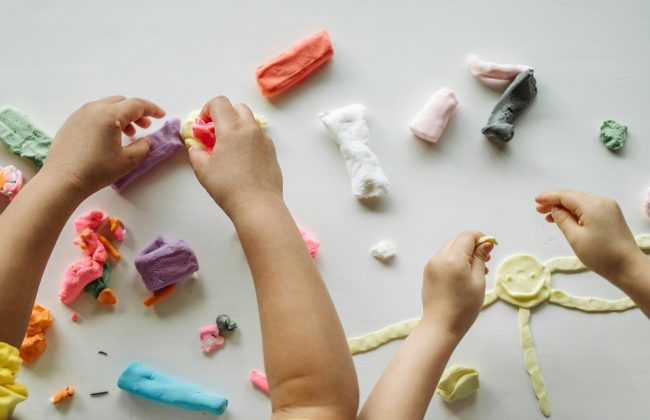
Parents and educators know that playful learning isn’t just fun—it’s crucial for early childhood brain development. Enter the world of sensory play—a hands-on, engaging approach designed to give little learners meaningful experiences that foster cognitive growth, language development, motor skills, and emotional intelligence. Whether you’re at home, in a preschool classroom, or just looking to spice up a rainy afternoon, these brain-boosting sensory games help children shake, rattle, and roll their way through essential developmental milestones.
Why Sensory Play Matters
Sensory play refers to activities that stimulate a young child’s senses—touch, sight, hearing, smell, and even taste. Through tactile exploration, children learn about textures, measure risk, solve problems, and build neural connections. From squishing playdough to shaking homemade maracas, these playful moments give the developing brain a full workout.
For children with varying learning styles or developmental needs, sensory play is especially valuable. It can calm anxious toddlers, encourage the speech of quiet ones, and spark the curiosity of every child. Best of all, it lays a strong foundation for future academic and social success.
Shake—Vibrant Sound Games for Little Hands
Sound-based sensory games are fantastic for drawing out language skills and attention span. Try filling plastic bottles with different materials—rice, pasta, bells, small stones—and sealing them tightly. Let your child shake each one, guessing what’s inside by the unique sounds.
To take it a step further, make a “sound scavenger hunt.” Hide sound containers behind a curtain, shake one from behind, and prompt your child to point to the matching bottle. These activities boost auditory discrimination and memory, all while your toddler giggles and dances along to the beat.
Rattle—Tactile Treasures to Explore
Textures are the heart of sensory play for kids. Create a tactile station at home by assembling objects with contrasting surfaces: a soft scarf, a spiky massage ball, a cool metal spoon, and a
feathery duster. As your child feels each item, narrate words like “bumpy,” “smooth,” or “scratchy” to expand their descriptive vocabulary.
For a more dynamic twist, fill a large bin with dry beans, sand, or water beads. Add miniature figurines, measuring cups, and teaspoons, so little learners can dig, pour, and scoop. These hand-strengthening gestures help refine motor skills for later writing, drawing, and self-feeding.
Roll—Movement-Based Sensory Challenges
Little bodies need to move—and movement fuels brain development as much as hands-on play. Spread out a play mat or take advantage of your backyard. Invite your child to roll, crawl, and tumble through an indoor obstacle course made from couch cushions, tunnels, and hoops.
Try classic games like “Simon Says,” swapping out usual instructions with sensory prompts: “Simon says, hop like a froggy on the bumpy mat,” or “Simon says, tiptoe to the crinkly paper.” These playful directives connect listening skills with physical coordination, making sensory learning truly active.
For outdoor adventures, don’t be afraid to get messy. Jump in puddles after a rainstorm or practice balancing on garden stones while wearing these children’s Hunter Boots. This kind of whole-body movement, paired with environmental discovery, keeps young children engaged and boosts spatial awareness.
Multisensory Activities for All Seasons
The beauty of sensory play is its flexibility. On chilly days, mix up cinnamon-scented dough or let little chefs blend “snow” from cornstarch and shaving cream at the kitchen table. In the heat of summer, create a natural mud kitchen or host an outdoor water balloon toss.
Sensory bins are endlessly adaptable: swap materials based on seasons, textures, or your child’s favorite themes—from arctic animals in winter to beach treasures in July. Don’t forget sensory “soundtracks,” too. Play calming nature sounds or upbeat children’s music to add an extra layer of auditory delight.
Safeguarding Sensory Play
Supervision is key, especially with small objects or water-based bins. Always choose age-appropriate materials and keep a close watch as kids explore. For little ones with sensitivities or allergies, consult your pediatrician and stick to hypoallergenic fillers.
Remember: messy play is part of the fun. Dress children in play clothes or art smocks, and involve them in clean-up so learning extends to responsibility and routine.
Supporting Brain Growth Through Play
When you shake, rattle, and roll with brain-boosting sensory games, you’re doing much more than filling time. You’re fostering curiosity, confidence, and joy in your little learners. Sensory play for kids sparks neural pathways that last well beyond preschool, giving children the tools they need to thrive in school and everyday life.
So gather your household items, crank up the playful spirit, and let your young explorers dive into a world where every shake, rattle, and roll is a step toward brighter brainpower.