
More mothers are choosing to build a small income stream around a craft they can manage entirely on their own schedule, and custom sock printing has quietly become one of the most practical options available. It requires no storefront, no employees, and no need to be away from home for long stretches at a time, which makes it a natural fit for anyone juggling school runs, nap times, and everything in between.
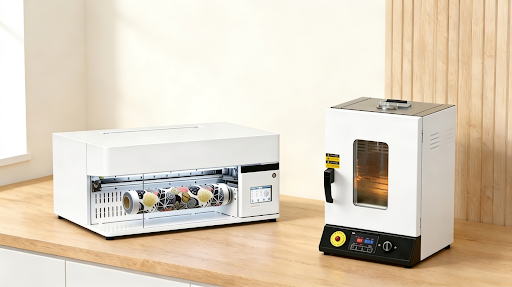
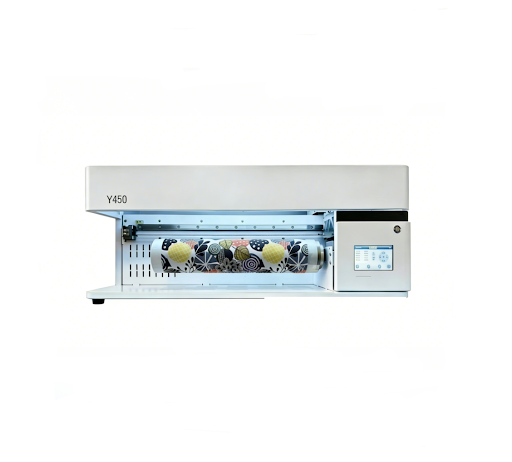
What makes this particular niche appealing is how little space and equipment it actually takes to get started. A single dedicated machine, set up in a spare room or a corner of the garage, is enough to produce professional-looking, full-colour socks in small batches. Many mothers exploring this path begin by researching a sock printer, since a compact, purpose-built machine tends to suit a home setup far better than equipment designed for industrial production floors.
Cost is one of the biggest factors driving this trend. Large commercial sock printing machines are typically priced for factories producing thousands of units a day, putting them well out of reach for someone testing a small side business. A home-scale sock printer, by contrast, is priced for exactly this kind of use case, letting a mom start printing and selling without the kind of upfront investment that would normally require a business loan.
Why Custom Socks Make Sense as a Mom-Run Side Business
Custom socks sit in a particularly convenient spot for a home business. Orders tend to be small and personal — a set for a child’s birthday, a matching pair for a school class, a novelty design for a family gathering — which means production can happen in short bursts between other responsibilities rather than requiring long, uninterrupted work sessions.
Demand is also fairly constant throughout the year. Birthdays, holidays, sports teams, teacher gifts and family reunions all create a steady stream of small, personal orders that suit a business run around nap schedules and school pickups. There’s rarely any pressure to fulfil large volumes quickly, which keeps the workload manageable even on busier weeks.
Compared with other DTF-based apparel businesses, sock printing has a technical advantage that makes it especially suited to a home setup. Traditional DTF and DTG printers are generally built to print flat, one side at a time, which means a full sock design has to be handled as separate pieces and carefully aligned. A dedicated sock printer, on the other hand, is designed to print around the entire surface of the sock in a single pass, giving a seamless, all-over design without the extra steps of matching up separate panels.
What Equipment a Beginner Actually Needs
The basic setup is simpler than most newcomers expect. A dedicated sock printer handles the design and print stage, while a separate curing unit finishes the job by drying and setting the ink so the print holds up through repeated washes. Sellers comparing options for this second piece of equipment often look at something like a sock printer oven, which is built specifically to match the size and output of a home-scale sock printer rather than a full commercial line.
One detail that surprises a lot of people moving over from standard DTF apparel printing is how much shorter the actual workflow is. A conventional DTF process involves printing the design onto film, applying adhesive powder by hand, and then heat-pressing the transfer onto the garment — several separate steps that each add time and room for error. A sock printer skips that sequence almost entirely: the design goes straight onto the sock, and the piece then only needs to run through the curing oven to dry and set. Fewer steps mean fewer things that can go wrong, which matters for anyone learning the process in spare moments rather than during dedicated work shifts.
A small, well-ventilated corner of a home is generally all the physical space this requires. There’s no need for a large workshop or a separate business location, which keeps both the startup cost and the ongoing overhead low.
From First Batch to a Real Side Income
Most mothers running this kind of business start small, printing a handful of socks for their own kids or close friends before taking their first paid order. A typical early customer base often includes other parents at school, local sports teams looking for matching gear, or friends wanting a personalised gift for a baby shower or birthday.
As word spreads, orders usually grow gradually rather than all at once, which gives plenty of time to refine pricing, work out realistic turnaround times, and settle into a production rhythm that fits around the rest of the day. Many sellers find that a single sock printer and curing oven remain sufficient for a long time, since the business tends to grow through repeat customers and referrals rather than sudden large orders.
A Few Tips for Anyone Considering This
Starting small and reinvesting early profits tends to work better than buying every accessory upfront. Testing a handful of designs on friends and family, or in a small local Facebook group, is a low-risk way to gauge interest before committing to larger supply orders.
It’s also worth taking time to compare equipment before buying. Reading reviews, watching setup videos, and talking to other home-based sellers can make the learning curve considerably shorter, especially for anyone who hasn’t worked with printing equipment before.
A Practical Way to Build Something on Your Own Terms
Custom sock printing offers a rare combination for busy moms: low startup costs, flexible working hours, and a product people genuinely want for gifts and everyday wear. With equipment built for home use rather than industrial production, and a workflow that’s noticeably simpler than traditional DTF printing, it’s become one of the more realistic ways for a mother to build a small business around her own schedule rather than someone else’s.