
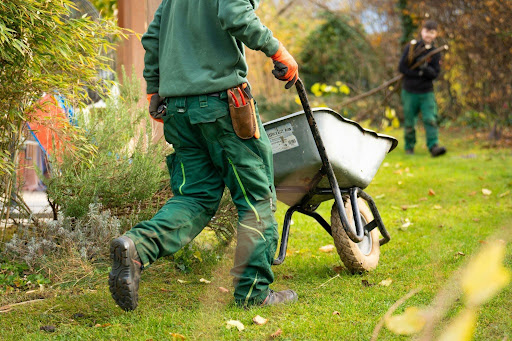
Photo by FRAEM GmbH on Unsplash
A backyard has to do a lot of jobs for a family. It’s a play space for kids, a spot for summer barbecues, a place to unwind after a long week, and, for a lot of parents, one more thing on the endless list of home projects that never quite gets prioritized. But landscaping is one of those home improvements that pays off in almost every direction at once, more usable outdoor space, better curb appeal, and a yard that actually fits how your family lives day to day.
Start With How Your Family Actually Uses the Space
Before choosing plants or hardscaping materials, it’s worth thinking honestly about what your backyard needs to accommodate. A family with young kids needs open, safe play areas and durable groundcover that can handle scooters, sandboxes, and the occasional collision with a soccer ball. A family that entertains often might prioritize a patio area, defined seating zones, and pathways that make moving between the house and yard easy for guests carrying food and drinks.
Trying to force a yard into a Pinterest-perfect design that doesn’t match how your family actually spends time outside usually ends in frustration, either the design gets ignored, or everyone ends up navigating around it instead of enjoying it.
Choosing Plants That Actually Survive Your Climate
One of the most common landscaping mistakes is falling in love with a plant that looks beautiful in photos but isn’t suited to local conditions. Plants that struggle against a region’s specific soil, rainfall, and temperature swings end up requiring constant babying, or they simply die and need replacing every season, which gets expensive and discouraging fast.
Native and regionally adapted plants tend to require far less maintenance once established, since they’re already suited to the conditions they’re growing in. The Canadian Nursery Landscape Association provides resources on plant selection suited to different Canadian growing zones, which is a useful starting point before falling for something that looks great in a nursery display but struggles the moment it’s planted in your actual yard.
Designing for Safety as Much as Style
For families with young kids, backyard safety deserves just as much thought as aesthetics. Pathways should be even and non-slip, water features need to be genuinely secured rather than just visually blocked off, and play areas benefit from impact-absorbing surfaces rather than hard pavers directly underneath swings or climbing structures.
Parachute Canada, a national injury prevention organization, publishes guidance on backyard and play area safety that’s worth reviewing during the planning stage rather than after an incident prompts a redesign. Simple choices, like where a trampoline or swing set sits in relation to fencing, pathways, or hard surfaces, can make a meaningful difference in how safe a yard actually is day to day.
Balancing Low Maintenance With Real Enjoyment
Busy parents don’t need a yard that requires hours of upkeep every weekend to look decent. Thoughtful landscaping design can significantly reduce ongoing maintenance while still creating a space that feels intentional rather than neglected. Mulched garden beds suppress weeds and retain moisture better than exposed soil, drought-tolerant plantings reduce watering demands, and defined hardscaped areas, like patios or gravel paths, eliminate the need to mow or maintain grass in high-traffic zones.
This is often where working with an experienced landscaping company makes a real difference over a DIY approach pieced together over several exhausting weekends. Companies like ArtechLandscaping.com work through exactly this kind of planning with homeowners, balancing what a family actually wants to do in their yard against what will realistically stay looking good without constant upkeep.
The Value Landscaping Adds Beyond Curb Appeal
Well-executed landscaping doesn’t just make a backyard more enjoyable day to day, it also tends to be one of the more cost-effective home improvements when it comes to resale value. Simple updates like fresh garden beds, a well-maintained lawn, and defined outdoor living areas consistently rank among renovations that return a meaningful share of their cost, often more than flashier interior updates that cost significantly more to complete.
Making the Backyard Work for Everyone
A backyard doesn’t need to be complicated to work well. The families who end up happiest with their outdoor space are usually the ones who started with an honest look at how they actually spend time outside, chose plants and materials suited to their specific climate and safety needs, and built a design that requires maintenance they can realistically keep up with. Get those fundamentals right, and the backyard becomes a space the whole family actually uses, rather than one more thing sitting on the to-do list.