
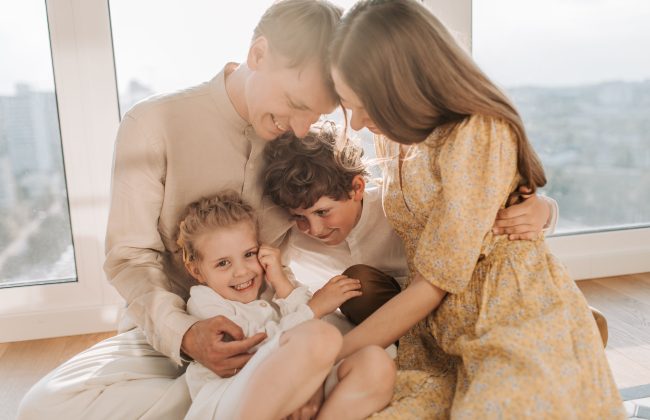
Children learn a lot from what parents say, but they also pay close attention to what adults do. A child who sees a parent help a neighbor, share food, or comfort someone who is upset begins to understand that kindness is part of everyday life. These small moments can shape how children treat others as they grow.
Raising a generous child does not mean asking them to give away everything they own or always put others first. It means helping them notice when someone needs support and showing them simple ways to help. Here are five everyday ways parents can teach children to care about others.
1. Let Children See You Being Kind
Children often copy the behavior they see at home. If you speak kindly to shop workers, help an older neighbor carry groceries, or offer food to someone who needs it, your child notices. These actions show that kindness is something people practice, not just something they talk about.
Research supports the value of this example. A study published in the Journal of Experimental Child Psychology looked at children aged three to eight in the United States and India. It found that children’s giving could be influenced by the way adults behaved during a sharing task. The effect differed between the two groups, but the study still highlights how children pay attention to adult behavior.
You do not need to make a big show of helping someone. Let your child see you do ordinary things, then explain why you chose to help. A simple comment like, “She was carrying too many bags, so I offered to help,” gives your child a clear reason behind the action.
2. Make Sharing Part of Family Life
Sharing can start with things children already have at home. They can offer a sibling a toy, share snacks with a friend, or help prepare food for a family member who is unwell. These moments teach children to think about other people instead of focusing only on what they want.
It is also important to respect a child’s feelings. If a young child does not want to share a favorite toy, forcing them may create frustration rather than generosity. Start with things they feel comfortable sharing and praise the thought behind the action.
You can also make sharing a family habit. When preparing a meal, ask your child whether they would like to set aside a portion for a neighbor. If you have clothes or toys in good condition that your family no longer uses, invite them to help choose what to pass on.
The goal is to help children understand that giving can be a happy choice, not something they do only because an adult tells them to.
3. Involve Them in Giving to People in Need
Children can learn generosity by taking part in family giving decisions. You might choose a local food drive, collect school supplies for children who need them, or support a charity that helps families during difficult times.
Give your child a small role in the process. They could help select items, pack a donation box, or decide how to use a little of their allowance to support a cause. If your family makes online contributions, explain where the money is going and why the cause needs support.
Annual campaigns and holidays can also create a shared opportunity to give. Christmas, Thanksgiving, and Giving Tuesday are examples of occasions when families can make charitable giving part of their celebrations. Giving Tuesday, in particular, encourages people to support causes and nonprofit organizations through donations and other acts of generosity. Families can explore Giving Tuesday donations together and talk about how contributions support humanitarian work. This gives children a chance to see how people from different places can come together to help others.
Keep the discussion simple and suitable for your child’s age. You do not need to describe every hardship in detail. Focus on the people being helped and the difference that support can make.
4. Teach Them to Notice How Others Feel
Generosity is about more than money or gifts. Sometimes, the kindest thing a child can do is notice that another person feels left out, sad, or overwhelmed.
If a classmate is sitting alone, your child might invite them to join a game. If a sibling is upset, they could offer a hug or ask what is wrong. These small acts of kindness help children understand that other people have feelings and needs of their own.
Parents can build this habit through everyday conversations. When reading a story or watching a movie together, ask questions such as:
- How do you think that person feels?
- What could someone do to help?
- Have you ever felt that way?
Listen to your child’s answers without rushing to correct them. As they learn to understand different feelings, they may become more thoughtful about how their actions affect others.
5. Praise Kindness Without Making It a Competition
Children enjoy being praised, and a little encouragement can help them repeat positive behavior. When your child comforts a friend or shares something with a sibling, let them know you noticed. Be specific about what they did and why it was helpful.
For instance, you might say, “That was thoughtful of you to let your friend have a turn.” This helps the child connect the action with its effect on someone else.
Try not to turn kindness into a contest or reward every good deed with a gift. If children learn that they only need to help when they receive something in return, they may miss the deeper lesson. Praise their effort, but also let them experience the simple satisfaction of making someone feel cared for.
Parents should remember that children are still learning. They may share willingly one day and argue over a toy the next. Correct unkind behavior calmly and give them another chance to make a better choice.
Final Words
Generosity develops through repeated actions, honest conversations, and the example children see around them. Parents do not need to plan a special activity every week to teach these values. Helping a neighbor, sharing a meal, or checking on a friend can all become useful lessons. Over time, these small habits can help children grow into adults who notice others and are willing to offer support.