
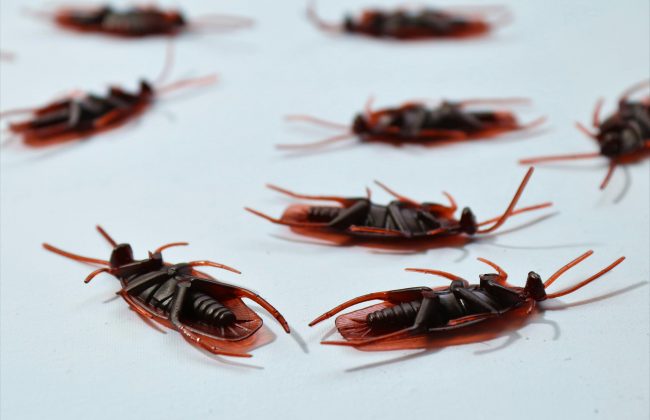
It’s never pleasant to find bugs in your house. Infestations can make your home feel unsafe and dirty very quickly, whether it’s a line of ants, cockroaches in the toilet, or strange scratching noises in the walls. But you don’t have to live with it — effective pest control is possible with the proper steps, timing, and awareness. Let’s talk about some smart and tried-and-true pest control tips that can assist you in preventing an infestation before it spreads or, even better, stop one from happening in the first place.
1. Start with a Deep Clean
This isn’t the most exciting tip, but it’s the most important one. Pests like crumbs, spills, dripping water, and messy places. Begin with a complete clean-up:
• Wipe down all of the counters and surfaces daily. • Sweep and mop the floors, particularly in the kitchen and dining room.
• Don’t leave dirty dishes in the kitchen sink overnight.
• Take out the trash regularly and keep the bins closed.
Keep in mind that even small bits of food can draw in bugs, particularly ants and cockroaches. The first thing you can do is keep your space clean.
2. Seal the Entry Points
Pests can get into your home through small cracks, gaps, and holes that you might not even see. Check each room:
• Door and window frames
• Corners of the floor and baseboards
• Pipes under sinks
• Attics and dryer vents
Seal any gaps with caulk or weather stripping. Steel wool is a good way to keep mice and rats out of bigger holes.
3. Fix Moisture Issues
A lot of pests, such as termites, silverfish, and roaches, like damp places. They love to breed in wet areas, so take care of:
• Leaky pipes or faucets
• Wet basement floors
• Bathrooms and kitchens that don’t get enough air
• Standing water around your home’s foundation
If a room is always damp, use a dehumidifier. Also, let the landlord know about any water damage right away to keep bugs away.
4. Use Traps and Baits Strategically
After you’ve taken care of food and moisture, it’s time to go after the pests that are already there. You can put traps in places where you can see pests if you have a problem:
• Sticky traps for crawling bugs that are close to walls and under furniture
• Put gel baits in cracks and corners where ants or roaches go.
• Snap traps or humane traps for mice and rats that are hard to find
Don’t put too many traps in one place; pests stay away from areas that are too full. Put them in places where people don’t go often and check on them every day.
Seeing baby cockroaches is a sure sign that a nest is close by. This is how to get rid of baby roaches before they become a big problem.
5. Declutter Problem Areas
Pests like to hide in places that are messy and not disturbed. Cardboard boxes, piles of newspapers, and storage bins are great places to build a nest. Pay attention to:
• Closets and under-bed storage
• Attics and basements
• Garages and sheds
Decluttering not only reduces places for pests to hide, but it also makes pest control easier and more effective over time.
6. Watch for Early Warning Signs
The sooner you find a problem, the easier it will be to fix. Don’t overlook little hints like:
• Droppings in drawers or cabinets
• Weird smells coming from places we can’t see
• Bite marks on furniture or wires.
• Little holes in the walls or floors
Even seeing one or two bugs can be a sign of a greater infestation. Don’t wait until things get worse; act now.
7. Stick to a Routine Maintenance Plan
You can’t just do pest control once. To keep your home safe all year long:
• Check your home every season for new cracks or leaks.
• Clean and vacuum weekly
• Refresh bait stations or traps every few weeks.
• Be on the lookout for how pests act when the weather changes.
The best way to get rid of pests is to stop them from getting into your home in the first place. It’s also easier to keep your home pest-free than to get rid of a big problem.
Final Thoughts
Stopping a pest infestation requires a mix of cleanliness, attention to detail, and strategic action. Every step you take to make your home less appealing to unwanted guests, from sealing up entry points to getting rid of things that attract them, like food and moisture, helps.
If you have roaches, mice, ants, or something in between, the most important thing is to be consistent. If you put in a little work now, you can avoid big problems later and live in a home that feels clean, safe, and truly yours.