
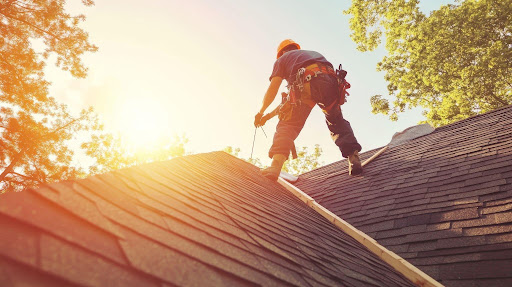
Most homeowners only replace or repair a roof once or twice in their lifetime, which is why any roofing project is worth taking the time to get right. The contractor you choose, the materials they recommend, and the questions you ask before work begins can all have a lasting impact on your home’s protection, value, and long-term maintenance costs.
Before signing a contract, ask direct questions about your roof’s condition, whether repair or replacement is truly necessary, the materials being proposed, licensing and insurance, warranty coverage, project timelines, financing, and pricing. These conversations will help you understand exactly what’s included, compare estimates fairly, and make a more informed decision.
A leaking roof or a handful of damaged shingles doesn’t always mean you need a full roof replacement, and not every roofing contractor approaches a project with the same level of experience or transparency. These 15 questions will help you evaluate both your roofing project and the contractor you hire with greater confidence.
Key Takeaways
- A trustworthy contractor should explain their reasoning behind a repair or replacement recommendation, not just provide a price.
- Always confirm a contractor physically inspected the roof, is WSIB registered and insured, and can provide references before signing anything. There isn’t a formal licensing system for roofing, so WSIB registration and insurance are the two things you should verify.
- Ask whether ventilation, insulation, gutters, and other related components are included in the scope of work, since these directly affect long-term roof performance.
- Clarify warranty coverage, financing options, and what could change the final price before committing to a project. Most re-roofs don’t require a permit, so ask when one would actually apply.
Understanding the Scope of the Job
1. Do you recommend a repair or a full replacement, and why?
A qualified contractor should be able to explain their reasoning behind the type of roofing project they suggest, not just quote a number. If they’re recommending a full replacement, ask what specifically makes repair not viable.
2. Did you physically inspect the roof before quoting?
A reliable quote should be based on someone actually getting up on the roof, not a rough estimate from photos or a drive-by look. A contractor who walks the roof and documents its condition before quoting is a good sign of how they operate.
3. What’s causing the current damage or wear?
Understanding the root cause of your roofing problem, whether it’s age, poor original installation, ventilation issues, or storm damage, helps confirm the proposed fix actually addresses the problem instead of masking it.
4. Is there hidden damage beneath the surface?
Water infiltration, rot, or compromised decking underneath aren’t always visible from a surface inspection. Ask how the contractor checks for this before finalizing a quote.
5. How old is the roof, and what’s its remaining expected lifespan?
Most asphalt shingle roofs last 20 to 25 years. Knowing where your current roof sits in that range helps you judge whether a repair will realistically hold, or whether replacement makes more sense.
Credentials and Cost
6. Are you WSIB registered and insured for this type of work?
Confirm WSIB registration and liability insurance directly, and ask to see documentation rather than taking it on faith. This protects you if something goes wrong during the project.
7. Can you provide references from recent, similar jobs?
A contractor confident in their work should have no issue connecting you with recent clients, ideally for a project similar in scope to yours.
8. What’s included in the quoted price, and what could add to it?
Ask what happens if hidden damage is discovered once work begins, and how that would affect cost. A clear answer here avoids disputes over change orders later.
9. What’s the realistic timeline, including weather-related delays?
Roof work is weather-dependent. Ask how the contractor handles scheduling around forecasts, and what a realistic start-to-finish timeline looks like for your specific project.
10. Do you offer financing for roofing projects?
A roof replacement is a significant expense, and not every homeowner wants to pay the full cost upfront. JNRoofing.ca, a local roofing company serving Central and Northern Ontario, offers financing up to $100,000 through their partner Financeit, making it easy to start a roofing project today and pay over time with affordable, predictable payments.
Materials and Workmanship
11. What material options make sense for my home and climate?
Asphalt shingles, metal, and flat roofing systems each come with different costs, lifespans, and maintenance needs. Ask your contractor what material makes the most sense for your home, lifestyle and budget.
12. Will this work address ventilation and insulation, or just the roofing surface?
A roofing project is a natural time to address attic ventilation and insulation, both of which affect the roof’s performance. Ask your contractor whether these upgrades factor into their recommendations, since proper airflow and insulation can meaningfully affect comfort, energy costs, and how long the roofing materials last.
13. What does the workmanship warranty cover, and for how long?
Many contractors offer a warranty on their labour separate from the manufacturer’s warranty on materials. Ask what’s covered, what voids it, and how long it lasts.
Permits, Codes, and Documentation
14. Will this project require a permit?
Roof work involving structural changes typically needs a permit, since the job must meet standards outlined in the National Building Code of Canada as adopted by your province or municipality. A contractor who’s vague about permit requirements is worth a second look. Clarify upfront whether the contractor handles this or expects you to, so nothing falls through the cracks once work is underway.
15. Will you also address the gutters, soffits, and cornices if needed?
These elements work together with the roof to manage water. Ask whether the quote includes addressing related issues, or whether that’s a separate project you’ll need to plan for.
Not every roofing contractor installs gutters and soffits, so it’s worth confirming upfront whether that falls within their scope or yours to arrange separately.
Choosing the Right Roofing Contractor for Your Project
The homeowners who get through roof repair or replacement with the fewest headaches are the ones who ask direct questions before signing anything, not after a crew is already on the roof. A contractor who answers these questions clearly and specifically is telling you as much about how they’ll handle the job as their quote does.