
Teaching children about road safety is one of the most important responsibilities parents have. From walking through parking lots to riding bikes around the neighborhood, kids face traffic-related risks every day. While schools may introduce basic safety lessons, moms often play the biggest role in helping children develop safe habits that last a lifetime.
The good news is that road safety lessons do not have to feel scary or overwhelming. With consistent guidance and daily practice, you can help your children become more aware, confident, and responsible around roads and vehicles.
Start With Everyday Examples
Young children learn best through repetition and observation. Instead of relying only on lectures, turn daily activities into practical lessons. Walking to school, crossing the street, or even getting into the car can become opportunities to reinforce safety habits.
Teach kids to stop before crossing the road, look both ways, and make eye contact with drivers whenever possible. Explain why traffic lights, pedestrian lanes, and seat belts matter. Repeating these lessons regularly helps children understand that road safety is part of everyday life, not just a one-time conversation.
You should also model good behavior yourself. Children notice when adults speed through parking lots, cross streets while distracted, or check their phones while driving. Demonstrating calm, attentive behavior behind the wheel sends a much stronger message than words alone.
Make Road Safety Age-Appropriate
Different ages require different teaching approaches. Younger children benefit from simple rules and visual reminders, while older kids can handle more detailed conversations about distractions, peer pressure, and responsible decision-making.
For example, elementary-aged children can practice identifying traffic signs and understanding safe crossing areas. Teenagers, on the other hand, should learn about the dangers of texting while driving, speeding, and riding with distracted drivers.
Some parents also use real-life stories to make lessons more meaningful. Hearing about actual accidents can help older children understand the serious consequences of unsafe behavior. In situations where families experience accidents first-hand, professionals such as Attorney Steve Lee, an experienced car accident lawyer, often remind parents that prevention and awareness are essential in protecting children on the road
Teach Kids to Stay Alert
Modern distractions make road safety more challenging than ever. Many children walk while looking at phones or wearing headphones, making them less aware of their surroundings. Encourage your kids to stay fully alert near streets and parking lots.
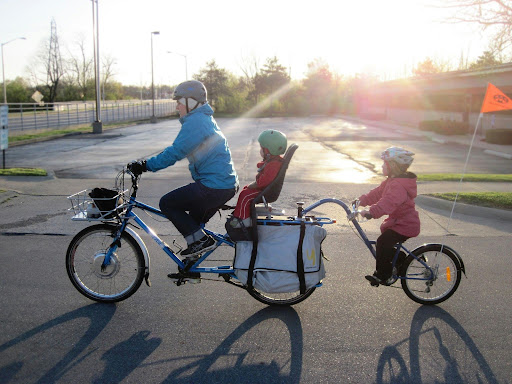
Create simple household rules, such as putting phones away before crossing roads or removing earbuds while walking near traffic. Biker and scooter safety is also important. Children should wear helmets consistently and understand where they are allowed to ride safely. Explaining why safety gear matters helps kids see it as protection rather than punishment.
Build Confidence Through Practice
Children gain confidence when they practice safety skills regularly. Take time to role-play different situations, such as crossing busy intersections or reacting when a ball rolls into the street. Guided practice helps kids stay calmer and make better decisions in real-life situations.
Positive reinforcement also works well. Praising children for remembering safety rules encourages them to continue making smart choices. Over time, these habits become second nature.
Endnote
Road safety education begins at home. By turning everyday moments into teaching opportunities, you can help your children build efficient, safe habits that will protect them for years to come.