
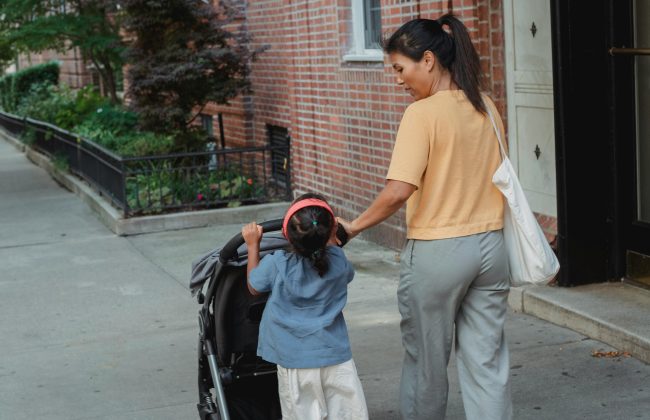
Let’s be honest, leaving the house with a newborn can sometimes feel like planning a tactical military operation. Between the feeds, the changes, and the “just in case” outfits, the sheer volume of gear we haul around is staggering. As modern mums, we are becoming increasingly aware that our convenience often comes at a cost to the planet.
By 2026, the shift toward sustainable parenting hasn’t just become a trend; it is the new standard. However, living a greener life doesn’t mean you have to sacrifice the convenience you desperately need during those chaotic outings. It is not about being perfectly plastic-free every single second, but rather about making smarter, sustainable swaps where they count the most. If you are looking to lighten your environmental footprint without weighing down your pram, curating an eco-conscious nappy bag is the perfect place to start. Here are five essential swaps to help you navigate your next outing sustainably.
The Sustainable Swaps You Actually Need
When you are on the go, you need products that work just as hard as you do. The good news is that eco-friendly alternatives have come a long way, offering efficiency without the waste.
1. Biodegradable Wipes
The humble wet wipe is arguably the most used item in a mother’s arsenal. From sticky fingers to nappy changes, we reach for them constantly. Unfortunately, traditional wipes are often made from polyester, which is essentially plastic. This means they can linger in landfills for decades, contributing to microplastic pollution.
Switching to eco wet wipes is one of the easiest changes you can make. Brands like Panda Baby Supplies are leading the charge with bamboo-based alternatives that are fully biodegradable and compostable. Bamboo is a rapidly renewable resource that requires significantly less water to grow than cotton, making these wipes a guilt-free solution for messy moments. They are gentle on your baby’s skin and kind to the earth, ensuring that your quick clean-ups don’t leave a lasting legacy.
2. Reusable Wet Bags
For years, the default method for handling soiled clothes or nappies while out was to toss them into a disposable plastic sack. Today, reusable wet bags are a “must-have” for the eco-conscious nappy bag. These waterproof, zippered pouches come in adorable prints and can be washed right alongside your laundry.
They effectively lock in odours and moisture, making them perfect for storing everything from dirty bibs to damp swimmers. By keeping two or three in your bag, you can completely eliminate the need for single-use nappy sacks. Plus, they are incredibly versatile and can be used for:
- Storing soiled cloth nappies
- Keeping spare outfits dry and organised
- Carrying snacks or pump parts
- Holding wet swimwear after a beach trip
3. Glass or Stainless Steel Bottles
If you are bottle-feeding or carrying water for a toddler, the material of your vessel matters. While lightweight, plastic bottles can degrade over time and release microplastics into the liquid. High-quality glass or stainless steel bottles are durable, non-toxic, and infinitely recyclable.
Many modern options come with silicone sleeves to prevent breakage, giving you peace of mind while you are out and about. Furthermore, stainless steel bottles are excellent at maintaining temperature, keeping water cool for hours even during the height of the Australian summer.
Skincare That’s Safe for Baby and Planet
Your baby’s skin is their largest organ and absorbs much of what you put on it. An eco-conscious bag isn’t just about reducing waste; it is also about reducing the chemical load on your child.
4. Non-Toxic Nappy Creams
When packing your changing essentials, look for balms and creams that use organic, food-grade ingredients rather than petroleum-based fillers. Petroleum products are a byproduct of the oil industry and can form a barrier that doesn’t let the skin breathe. Plant-based alternatives often use ingredients like shea butter, coconut oil, and natural herbs to soothe irritation effectively.
For example, opting for an organic balm can soothe sensitive skin without harsh chemicals. As noted in a product review of Maple Organics, natural solutions like their Kokum Diaper Balm can be incredibly effective for treating nappy rash while remaining safe and non-toxic for your little one.
Why Small Swaps Matter
It is easy to feel like our individual choices don’t make a dent, but the collective impact of parents making small changes is massive. The waste generated by disposable baby products is one of the biggest environmental challenges we face today.
5. The Bigger Picture on Waste
The reality of our convenience culture is stark when you look at the numbers. Single-use plastics and non-biodegradable hygiene products are clogging our systems at an alarming rate. According to WWF-Australia, the environmental impact is visible in our sewer systems, where “fatbergs” (massive lumps of congealed fat and non-flushable wet wipes) are causing blockages. They also highlight that millions of disposable nappies end up in Aussie landfills every year. By choosing biodegradable wipes and reusable accessories, you are directly helping to prevent these issues, keeping our waterways cleaner and our landfills smaller.
A Greener Future, One Outing at a Time
Building an eco-conscious nappy bag doesn’t happen overnight. It is a journey of trial and error, finding the bamboo wipes that you love or the glass bottle that fits perfectly in your cup holder. Start with one or two swaps. Maybe today you replace the plastic nappy sacks with a wet bag, or you switch to a biodegradable wipe brand. These small, conscious decisions add up, teaching our little ones the value of caring for the world they will grow up in. After all, the best thing we can leave our children is a healthy planet to explore.