
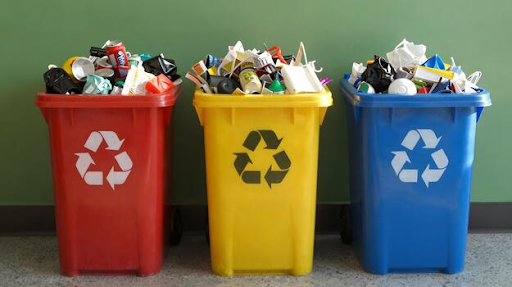
Creating an eco-friendly workplace is one of the most impactful choices a company can make. Many waste disposal systems are inefficient and end up with recyclable materials in landfills, although most offices have a basic system for disposal. Creating a streamlined waste management process will lessen the impact on the environment and will also decrease the expense of waste management. Implementing a clear and organized strategy makes sustainability a natural part of your daily office routine.
Conduct a Workplace Waste Audit
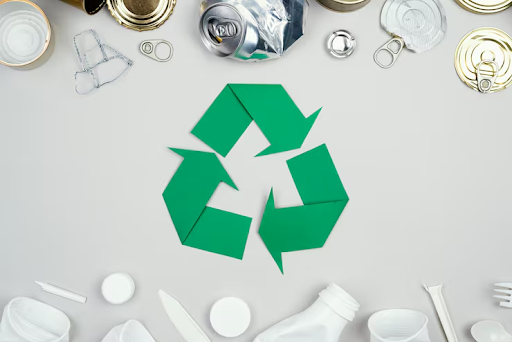
You can’t start a new program unless you know what type of trash your office generates the most of. Observe for a week how much trash is thrown in trash cans in various departments. There will be a lot of paper, cardboard, food containers, and packaging. These waste streams can be used to help select the appropriate size and kind of bins. Visiting their website can help you explore professional cardboard and paper collection options tailored specifically for businesses. Knowing your primary waste types allows you to build a system that directly addresses your office habits.
Place Bins in Strategic Locations
The primary motivator for participation of staff is convenience. An employee who has to walk across the building to get to a recycling bin will be much more apt to put either paper or plastic in the next trash can. Set up sorting stations near high-traffic areas like main entrances, copy centers, and break rooms. Recycling bins always go with general waste bins. This side-by-side configuration makes people have to make a conscious decision before dropping an item.
Use Clear and Visual Labeling
Waste contamination occurs when people are unclear about what can be recycled, thereby spoiling entire batches of waste that could be valuable for recycling. Labels on the traditional paper documents can be overlooked by fast-paced team members. Label each bin with bright, color-coded labels and clear pictures of acceptable items on each bin. For instance, display examples of rubber or paper sheets that have been flattened, clean printer paper, and plastic bottles. Clearly listing prohibited items like food scraps or soft plastics prevents costly sorting mistakes.
Go Digital to Reduce Paper Waste
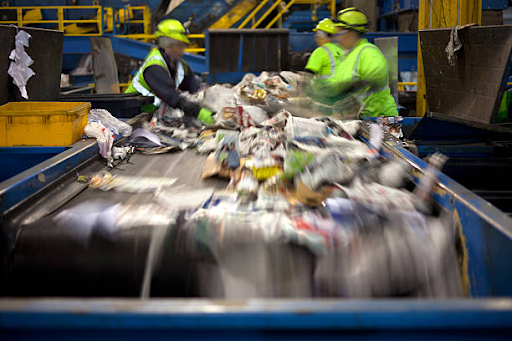
The best approach to dealing with waste is to not produce it at all. Digital documentation greatly reduces the amount of paper that is used in your office each day. Move to digital storage, e-signatures, and e-invoicing. If there is no alternative to printing, select office printers to print double-sided, black and white. Placing paper reuse trays in front of the printers to be used for internal notes extends the life of each sheet of paper.
Educate and Engage Your Team
The recycling system is entirely dependent on the users on a day-to-day basis. Conduct a short training or team meeting to share new waste guidelines and why it is important. Talk about the amazing benefits of recycling to save natural resources and reduce the corporate carbon footprint. You can also create friendly internal competitions between departments to see who reduces general waste the most. Progress is identified and celebrated throughout the organization.
Partner with Reliable Recycling Services
A good internal sorting system can be of little value if your collected materials are not treated in a proper way. Work with a reliable commercial recycling company that has a reliable pick-up schedule and bin size. Choose a service that specializes in your heaviest waste categories, such as office paper and bulk cardboard. A consistent collection timetable will help ensure that your bins don’t overflow, your work areas remain clean, and your sustainability initiatives have a positive impact on the environment.
Conclusion
An effective recycling system in the workplace doesn’t need a lot of complicated procedures or big budgets. You will have a cleaner and greener environment by auditing your current waste, strategically positioning labeled bins, and educating your team. Minimising paper usage and collaborating with trusted waste partners will increase the likelihood of long-term success in your sustainability initiatives. These small actions can help to create a culture of environmental responsibility that will benefit your entire organization.