

Deciding to renovate your home is an incredibly exciting milestone. A renovation can breathe new life into your living space, whether you’re looking to add extra space to a small kitchen, update an outdated master bathroom, or get an entire new room for the growing family.
However, the success of your project rests almost entirely on the professionals you hire to complete the work. The wrong person can cause endless delays, go over budget, and end up with a product that is not what you were expecting.
Your outcome will be beautiful, and the process will go smoothly, if you find a professional who is both well-versed and trustworthy. The process of choosing a builder seems awe-inspiring to many modern homeowners. The good news is that choosing the perfect team is not a guessing game.
All it takes is a systematic approach, a lot of patience, and a clear understanding of your own goals. With a plan in place, you can safeguard your investment and make your dream home a reality. This guide will walk you through the essential steps to find, evaluate, and hire the best team for your upcoming remodeling project.
1. Define Your Project Goals and Set a Realistic Budget

The first step is to have a very clear idea about what you need to accomplish before looking for professionals to hire. Contractors must have certain information for them to give an accurate estimate and timeline. Taking time to define your scope of work saves you from major headaches down the road.
- Evaluate your current space: Spend time in the room you want to change. Write down what works well and what doesn’t work for you every day.
- Determine your exact needs versus your wants: Make a rigid list of the features your home absolutely must have to function properly.
- Create a luxury wish list: Create a separate list of luxury items you would like to include if your budget allows. This will make it easier to make decisions when material prices begin rising.
- Gather visual inspiration for your design: Look at architecture magazines, browse online design galleries, and save photos of styles you love.
- Communicate visually: Having physical visual examples helps communicate your precise vision clearly to anyone you interview for the job.
- Establish a firm financial budget: Look at your finances and decide the absolute maximum amount you are willing and able to spend.
- Set aside a strict contingency fund: Renovation projects frequently uncover hidden problems like old water damage or faulty electrical wiring behind the walls.
-
Set aside a strict contingency fund: Renovation projects frequently uncover hidden problems like old water damage or faulty electrical wiring behind the walls. If you discover moisture-related issues, professional water damage restoration can help address the damage before it leads to bigger structural problems.
- Think about the “best” time to undertake a project: When do you want it to begin and when do you really have to end it?
- Know how to schedule a professional: Remember that the most skilled builders are likely to be very busy and may not be able to begin your work right away.
- Cost of changing your mind: Each time you make a change in the architectural plan after work starts on the project you will both pay more and delay the project’s completion date.
- Just limit expensive changes: If you have a plan in place and don’t wobble from day one, then you are reducing these costly and frustrating change orders.
When you do this, you make yourself a ready and serious client. This kind of structure will draw in the top-quality staff members who respect customers who are well-versed in their desires.
2. Conduct Thorough Research and Verify All Credentials
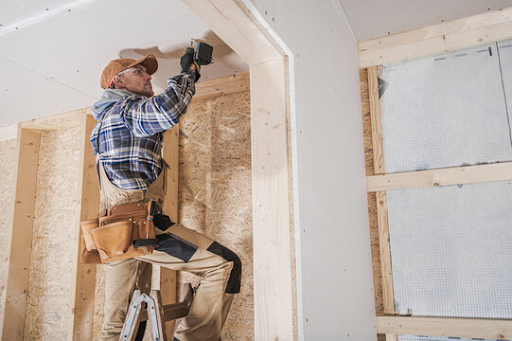
With your plan and budget in place, it’s time to begin compiling a list of potential candidates. It’s not enough to just pick the first company that comes up in a search engine. You’ve got to delve into their history, look at their work, and make sure they are legally qualified.
- Seek personal recommendations: Talk to friends, family, and neighbors who have recently engaged in similar home projects.
- Trust personal recommendations: It’s usually best to look for trustworthy professionals by seeking personal recommendations, as you can see the results of their work firsthand.
- Examine their portfolio of past projects: A reputable business will proudly display their previous work for new clients to examine.
- Check for relevant projects: They should have completed a project that is similar in scale and architecture to what you are looking for.
- Go to professional websites: A look around the professional websites and even visiting a few, such as vincentabellcontracting.com will provide you with the exact level of craftsmanship and the design quality you can anticipate from the very best firm.
- Check their state license: Don’t hire a person who is not licensed to work in your state.
- Verify that they are active and in good standing with the local state licensing board: This can be done easily by checking with the local state licensing board.
- Request that they have insurance: The company is required to have general liability and workers’ compensation insurance in effect at all times.
- Insure personal liability: This type of insurance is for your benefit if a worker falls sick or is injured on your property or if your property is seriously damaged during construction.
- Look at Internet reviews and ratings: Read reviews and ratings from independent review sites on the Internet from previous clients.
- Evaluate their answers: Watch carefully how the business reacts to the negative feedback. A courteous and appropriate reply is a good indicator of excellent customer service.
- Check their business records: See if there have been any unsolved complaints or trends of bad business practices with the local consumer protection agencies.
These questions ensure you weed out unqualified candidates early on and have a strong shortlist of very competent people.
3. Interview Multiple Candidates and Ask the Right Questions

With your shortlist in hand, you should schedule face-to-face meetings with at least three different companies. These are the first interviews, where you can try to assess their ability to communicate and overall professionalism, as well as see if they’re a good fit for your project. Do not rush this step.
- Pay attention to their punctuality: A person who shows up late to an initial sales meeting is likely to run their job site the exact same way.
- Assess their professional presentation: Notice if they bring a notebook, ask thoughtful questions, and treat your home with respect during the walkthrough.
- Ask about their daily schedule and routine: You need to know what time workers will arrive each morning and when they will leave in the evening.
- Discuss weekend availability: Clarify if they plan to work on weekends, as this impacts your family’s ability to relax in your own home.
- Find out exactly who will be managing the site: The person you interview for the sale is not always the person who supervises the daily physical labor.
- Know your point of contact: It is important that you know who will be your main point of contact when the work of demolition begins and the tools start coming out.
- Ask about the use of subcontractors: Many large companies have experts from other trades they subcontract, such as plumbers, electricians and roofers.
- Look for consistency in subcontractors: Do they always use a trusted group of subcontractors or do they have a different one for each job?
- Talk about the city permitting process: A legitimate business will always go through the complicated process of getting city permits.
- Do not pull your own permits: Be very careful about anyone asking you to pull your own permits, as all responsibility for this falls on your shoulders.
- Assess their overall communication style: Notice if they listen to your concerns or if they talk over you during the consultation.
- Get clear answers: Your partner should respect your vision and give you clear answers without jargon.
Treat this meeting like a formal job interview. You’re the employer, so feel free to ask some hard questions until you have the peace of mind that they’ve got what it takes.
4. Review Bids and Contracts Very Carefully

The candidates will submit a written proposal or quotation after the interview. This is a critical stage where many homeowners make the costly mistake of simply looking at the final price tag. When you are considering a bid, it is important to look at it carefully to make sure that you are receiving what you will be paying for.
- Compare apples to apples: Make sure every single bid includes the exact same scope of work, the same quality of materials, and the same timeline.
- Beware of lowball offers: If one offer is very different from the rest, then there is something that was not included in that offer.
- Request an itemized cost quote: Any home renovation that is the size of a big project is not a place where a single lump-sum price is suitable.
- Outline costs: The estimate should make a clear distinction between labour and material costs, municipal permit costs, and waste disposal costs.
- Discuss the payment schedule: You should never pay the total cost of the project without any work done being performed.
- Standard deposit requirements apply: A normal legal contract will usually demand a deposit of 10-30% prior to the first job.
- Make payments contingent on progress: If there is a progression, then the next payment should be for a specific project stage, such as finishing the framing or drywall installation.
- Make sure that everything is in writing: Even verbal promises are of no use in the residential construction industry.
- Document it all in writing: All of the information you spoke about should be written down before you put your name to it.
- Review the change order process: The contract should make it clear how unexpected costs or changes to the plan are going to be dealt with financially.
- Written Approvals: Any change order should be a written document and must be signed by both you and the builder before the new work is done.
- Read the warranty: If you’re sure you have a good builder, they will always back up their work.
- Protect yourself with a labor warranty: Make sure your contract contains a specific warranty timeframe for labor and defines what will happen if materials are found to be defective and what will be done to replace them.
Taking the time to read every single line of the contract protects your financial interests and sets clear legal boundaries for the entire duration of the job.
5. Establish Clear Expectations and Maintain Communication

After signing the contract and when work starts, your relationship with the team changes. It is critical to have a healthy and productive environment on the jobsite to ensure that the project progresses smoothly. Effective communication helps avoid little issues from escalating into big ones.
- Create a regular communication plan: Set how and when you will get project updates from the project manager.
- Decide on a preferred mode of communication: Some prefer a quick telephone call each day; others prefer a thorough weekly email, complete with pictures of its progress.
- Establish clear ground rules for your property: Determine which bathrooms the workers can use during the day.
- Designate parking and storage: Determine where they can park their large trucks, and where they should store heavy equipment and tools overnight.
- Be prepared for extreme disruption: Renovation work is inherently messy, loud, and disruptive to your daily life.
- Protect your belongings: Protect your furniture, seal off adjacent rooms with heavy plastic sheeting, and accept that your daily routine will be altered.
- Do not try to do everything yourself: They are professionals who have been trained to do this.
- Avoid micromanaging: Avoid hovering over them constantly or attempting to micromanage every single minor physical task.
- Be vocal about any issues: If a tile is crooked or a paint color is just all wrong, don’t wait till the end to let someone know.
- Solve problems immediately: Solving aesthetic or structural problems as they occur saves time, materials, and money for all parties.
- Make a final inspection together: A final inspection should be made of all the work performed before you receive the final milestone payment.
- Make a final punch list: Make a final list of minor touch-ups that need to be done and make sure everything is patched up before the project is officially closed.
- By fostering a collaborative and highly respectful working relationship, you ensure the entire remodeling process remains positive from the very first day of demolition right through to the final day of project cleanup.
Conclusion
The most important decision you’ll make throughout the renovation of your home is who to hire. The search could be arduous as well as time-consuming, but all the work you do will reap huge rewards in the end. Finding somebody who knows how to swing a hammer is only a small part of the picture when it comes to a successful remodel. It requires finding a dedicated partner who respects your budget, understands your architectural vision, and communicates openly every step of the way.
You should begin with a well-defined plan and a sensible budget so you’re on a clear path to success. Doing thorough research, verifying state licensure, and checking references will safeguard you from hiring an unqualified person who can cause damage to your home. After engaging in several interviews, you will be able to find a personality that fits the family dynamics. Thoroughly checking out each detailed bid and requiring an ironclad written agreement safeguards your monetary investment from becoming a fraud. Lastly, having clear guidelines and open communication ensures that the project runs smoothly during the construction process, which is often noisy and hectic.
Your house is probably your largest investment and one of your most important personal possessions. It should not be left in the care of anyone. Don’t be afraid to wait, probe with difficult questions, and never take a chance on a new company estimate. Remodeling is a stressful process, but that can be eliminated when you hire a truly professional and experienced team. You’ll end up with a wonderfully remodeled living area that you, your family, and future guests will enjoy for years to come.