
Teaching spiritual lessons to children doesn’t have to be a chore—it can be an adventure filled with curiosity, creativity, and joy. Children are naturally drawn to activities that engage their senses, spark their imagination, and allow them to explore concepts at their own pace. When learning is fun, lessons are remembered, principles are internalized, and faith becomes a living experience rather than an abstract idea. Combining stories, games, crafts, music, and discussion transforms spiritual education into an interactive journey that resonates with young minds. Thoughtful planning and age-appropriate materials help ensure that each child can connect with the message in a way that feels meaningful and exciting. Let’s explore practical ways to make spiritual lessons engaging, memorable, and fun for children, ensuring that these formative experiences leave a lasting impression.
Start with Engaging Lesson Materials
The foundation of fun learning begins with the right resources. Carefully designed lesson materials provide structure while allowing flexibility for creativity. For example, using VBS curriculum books offers ready-made stories, activities, and discussion prompts that are age-appropriate and interactive. These books often come with visual aids, music suggestions, and crafts that make lessons immersive.
Using structured resources helps teachers and parents focus on engagement rather than planning from scratch. Children benefit from a mix of visual, auditory, and hands-on learning, which keeps them interested and motivated. Themed lessons also help children connect individual activities to a larger spiritual narrative, making each day feel like part of an exciting journey. Engaging materials create the perfect environment for curiosity and learning to flourish simultaneously.
Incorporate Hands-On Activities
Children learn best when they can actively participate. Crafts, experiments, and interactive projects make spiritual concepts tangible. For instance, creating story-related crafts or role-playing lessons allows children to internalize principles through action rather than just listening. Hands-on activities stimulate creativity, problem-solving, and collaboration.
Games and physical activities can reinforce moral lessons in playful ways. For example, teamwork exercises can teach kindness and cooperation, while treasure hunts can illustrate patience and perseverance. By incorporating tangible experiences, children remember the lessons more effectively and associate faith with enjoyment. The goal is to make learning active, engaging, and memorable, so spiritual principles stick well beyond the activity.
Use Storytelling to Bring Lessons to Life
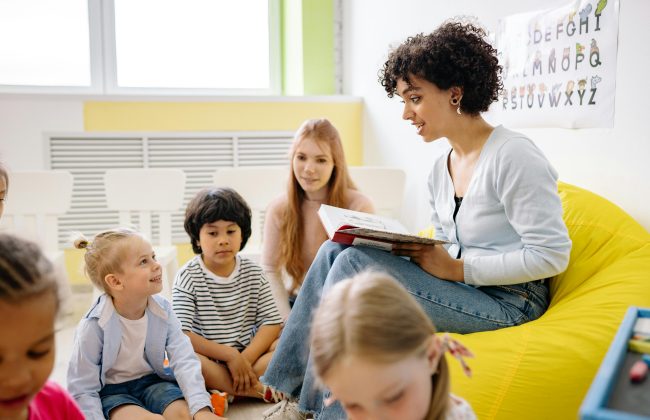
Stories are powerful tools for teaching spiritual concepts. Children naturally respond to narratives with characters, challenges, and adventures. By weaving lessons into compelling stories, abstract concepts become relatable and understandable.
Stories can be read aloud, acted out, or even adapted into short plays. Incorporating familiar scenarios helps children see themselves in the lessons, making principles more applicable to daily life. Storytelling encourages imagination while reinforcing moral and spiritual teachings. When children are emotionally invested in a story, they are more likely to absorb the values it conveys, making faith lessons both entertaining and meaningful.
Make Learning Interactive with Questions
Asking questions encourages children to think critically and reflect on spiritual concepts. Open-ended questions invite discussion, foster curiosity, and empower children to express their thoughts. For example, after a story, ask “What would you have done in this situation?” or “How can we apply this lesson today?”
Interactive questioning transforms passive learning into active exploration. Children learn to connect principles with real-life scenarios, strengthening understanding and retention. Encouraging dialogue also helps educators gauge comprehension and tailor lessons to each child’s needs. By making learning a conversation, spiritual education becomes engaging, participatory, and thought-provoking.
Incorporate Music and Movement
Music is a universal way to capture attention and reinforce lessons. Singing songs related to themes, using hand motions, or creating movement-based activities helps children internalize spiritual messages through rhythm and repetition. Catchy tunes and actions make lessons memorable and fun.
Movement and music also help children release energy while staying engaged. Dance, action songs, or musical games can be tied directly to moral principles, turning learning into a full-body experience. This multisensory approach ensures that lessons resonate on multiple levels, blending fun with spiritual growth seamlessly.
Tailor Lessons to Age and Interests
Not all children learn the same way. Materials and activities should be adapted to different ages, attention spans, and learning styles. Younger children may respond best to simple stories and crafts, while older children may enjoy discussions, problem-solving exercises, and real-life applications.
By tailoring lessons, educators ensure that each child can connect with the material in a way that feels meaningful and accessible. Considering interests and strengths increases engagement and helps children see spiritual principles as relevant to their everyday lives. Age-appropriate learning builds confidence and encourages a lifelong curiosity about faith.
Encourage Reflection and Sharing
After activities, taking time to reflect helps children process lessons. Journaling, drawing, or sharing experiences allows them to express understanding and internalize principles. Reflection can also include group discussions, where children share thoughts, ideas, and personal experiences.
Encouraging sharing fosters empathy, strengthens community, and allows children to learn from one another. Reflection ensures that lessons go beyond entertainment—they become internalized values and meaningful experiences. By combining fun with thoughtful reflection, spiritual education leaves a lasting impact that children carry into their everyday lives.
Celebrate Achievements and Participation
Recognition motivates children and reinforces positive engagement. Celebrating participation through small rewards, certificates, or group acknowledgments encourages continued involvement and enthusiasm. Highlighting creative work, successful projects, or thoughtful contributions helps children feel valued.
Celebrations also create a sense of community, showing that spiritual learning is a shared experience. Recognition turns learning into a positive cycle, where children are excited to participate, explore, and apply spiritual lessons in their lives. Fun, encouragement, and acknowledgment together make spiritual education both meaningful and memorable.