
The week before a family road trip involves a particular kind of organised chaos that most moms know well. The snack bag gets packed and repacked. The entertainment bag is assembled with military precision — headphones, tablets, downloaded episodes, backup chargers. The kids’ bags are checked for forgotten pyjamas and the right stuffed animal. Every item on the mental checklist gets its moment of attention, except one: the car itself, and specifically the four tires that will carry the entire family from driveway to destination and back.
Tire pressure isn’t a topic that tends to come up in family trip planning conversations, which is exactly why it causes problems. A tire losing pressure gradually over the course of a long drive doesn’t announce itself until it becomes a roadside emergency — which is the worst possible time, with tired kids in the back and a destination still hours away. Tools like Grundig Auto tire monitoring exist precisely to close this gap, tracking pressure and temperature across every tire in real time and alerting the driver when something is developing — not after it has already become a problem on the highway at speed.
The scenarios where tire pressure issues affect family drivers are specific and recognisable. A slow leak from a nail picked up in a grocery store parking lot the week before the trip may lose two PSI per day — unnoticeable in the driveway, significant after three days and three hundred kilometres. Summer heat adds its own pressure rise, pushing tires that left home correctly inflated toward overinflation by mid-afternoon on a hot highway. An overnight stop in cooler mountain air creates a morning cold-start deficit that means the tires are technically underinflated before the day’s longest driving segment begins. None of these are dramatic failures — they are gradual, quiet changes that real-time monitoring catches, and that a once-a-month manual check misses entirely.
The Car Deserves the Same Preparation as the Bag
There is a mindset shift that makes family road trips genuinely less stressful, and it starts with treating the vehicle as part of the trip preparation rather than something that simply gets pointed in the right direction. A car that is well maintained, correctly monitored, and running at its intended performance level is a quieter, more confident car to drive — and a quieter car means a calmer driver, which matters considerably when the backseat is occupied by small people with strong opinions about the music. Families who take the time to enhance their vehicle’s performance easily before a long trip — checking components, ensuring everything is functioning as designed, and addressing anything that has been quietly underperforming — tend to arrive at their destinations having spent less mental energy managing vehicle-related anxiety along the way.
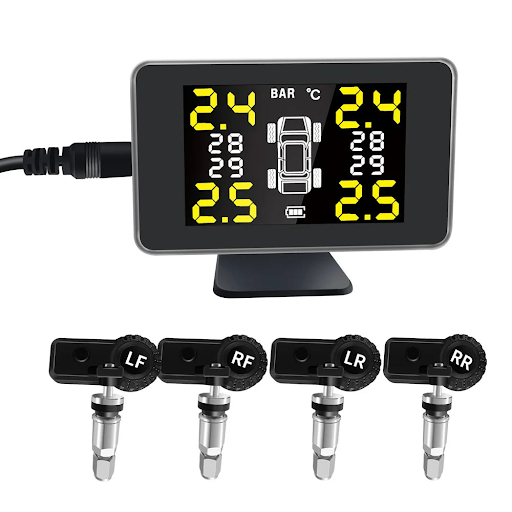
Building a simple pre-trip vehicle check into the routine doesn’t require mechanical expertise. It requires approximately fifteen minutes and a willingness to treat the car with the same attention given to the bags. Check that tire pressure readings on the monitoring system match the correct cold inflation for the vehicle’s loaded weight. Confirm that all sensors are transmitting. Check that fluids are at correct levels. Look at the tires physically for anything unusual. These are not technical tasks — they are the equivalent of checking that every child has their shoes on before leaving the house. Small, quick, and entirely worth it.
A family road trip with a well-prepared car is a fundamentally different experience from one where the vehicle becomes a source of uncertainty two hours in. The snack bag matters. The entertainment plan matters. The kids being comfortable matters. And the four contact points between the family and the road matter just as much — they just tend to get remembered only when they stop doing their job. Building tire monitoring and general vehicle preparation into the pre-trip checklist is the kind of small, practical shift that experienced family road trippers tend to wish they had made earlier.