
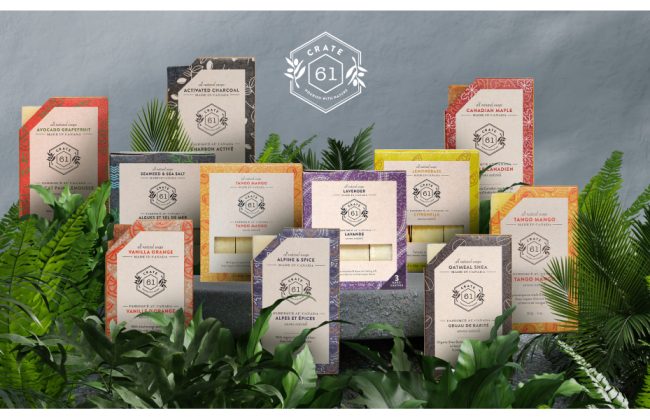
I used to think “natural” on a soap label meant something. Then I spent an evening actually reading ingredient lists on the bars sitting in my own shower, and realized half of them had more in common with a chemistry set than anything that grew out of the ground. If you’ve ever stood in the store trying to decide between three “gentle” cleansers for your kid’s sensitive skin, you already know how confusing this stuff gets.
Here’s what I’ve learned about picking bar soaps and lip balms that are actually good for your family’s skin – not just marketed that way.
“Natural” Isn’t a Protected Word, So Read the Ingredients
This is the part that surprised me most. In the U.S., there’s no legal definition that stops a company from slapping “natural” on a bottle full of synthetic detergents and fragrance. The only way to know what you’re actually putting on your kid’s skin is to flip the product over.
A genuinely simple bar soap should read like a short recipe: things like saponified oils (olive, coconut, palm, shea), maybe a plant-based colorant, and an essential oil if it’s scented. If you see a string of ingredients you can’t pronounce, or “fragrance” listed with nothing else specifying what that fragrance actually is, that’s worth pausing on. Companies that make natural bar soap the traditional way – cold-processed, with real oils instead of synthetic detergents – tend to list every ingredient plainly, because they don’t have anything to hide.
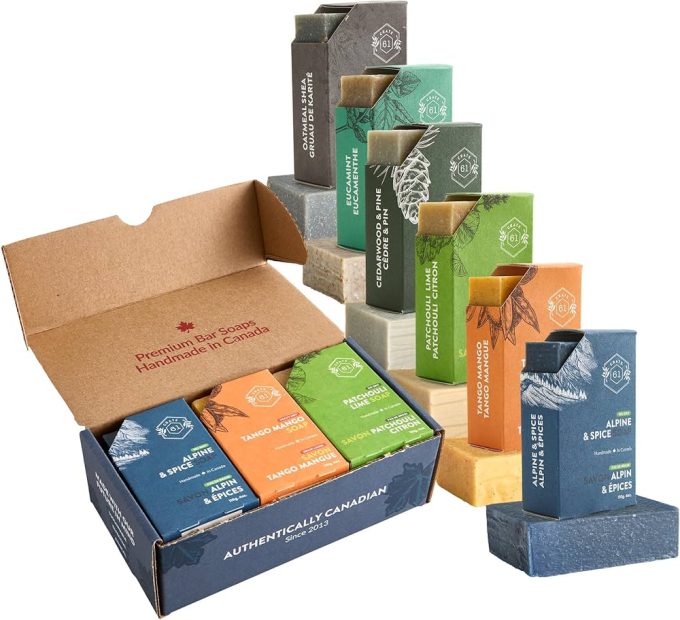
Why This Matters More for Kids
Children’s skin is thinner and more permeable than adult skin, which means it absorbs more of whatever touches it – including whatever’s in your soap. Harsh sulfates and synthetic fragrances that an adult might barely notice can trigger dryness, irritation, or eczema flare-ups in a toddler. This is especially true in winter, when skin is already more prone to cracking.
Bar soaps made with glycerin-rich, moisturizing oils tend to be gentler than foaming liquid washes, which often rely on sulfates to get that lather everyone associates with “clean.” Ironically, the squeaky-clean feeling is usually a sign the soap has stripped away natural oils your skin actually needs.
Lip Balm: The Other Overlooked Culprit
Lip balm gets even less scrutiny than soap, probably because it feels harmless – a little tube, a quick swipe, done. But lips absorb ingredients directly, and kids especially tend to lick their lips (and the balm) far more than adults do, which means whatever’s in it, they’re essentially eating small amounts of it all day.
A lot of mainstream lip balms include petroleum-based ingredients, synthetic waxes, and artificial flavoring designed specifically to make kids want to reapply constantly – which sounds convenient until you think about why a company would want that. Look instead for balms built on beeswax or plant-based waxes, shea or cocoa butter, and natural oils like jojoba or sweet almond. These moisturize instead of just coating the lips temporarily, which means less constant reapplication in the first place. Brands that make natural lip balm with short, recognizable ingredient lists are usually a safer bet for a kid who’s going to reapply it a dozen times before lunch.
A Few Things to Actually Check Next Time You Shop
- Flip the product over before you buy – the ingredient list tells you more than the front label ever will.
- Watch for “fragrance” or “parfum” as a vague catch-all; it can legally hide dozens of undisclosed chemicals.
- Fewer ingredients is usually a good sign, not a marketing gimmick.
- If a product foams a lot, ask what’s making it foam – it’s rarely just soap.
- For lip balm, avoid anything that seems designed to be reapplied every twenty minutes.
It Doesn’t Have to Be Complicated
None of this means you need to make your own soap from scratch or spend a fortune on artisanal skincare. It just means treating the ingredient label the same way you’d treat a food label – because for kids especially, what goes on their skin is not so different from what goes in their mouths. A few minutes of label-reading now can save you a lot of dry, irritated skin (and a lot of frustrated bedtime routines) later.
Start small: next time you’re restocking bathroom basics, pick up one bar soap and one lip balm with ingredients you can actually pronounce. Your family’s skin will likely notice the difference before you do.