
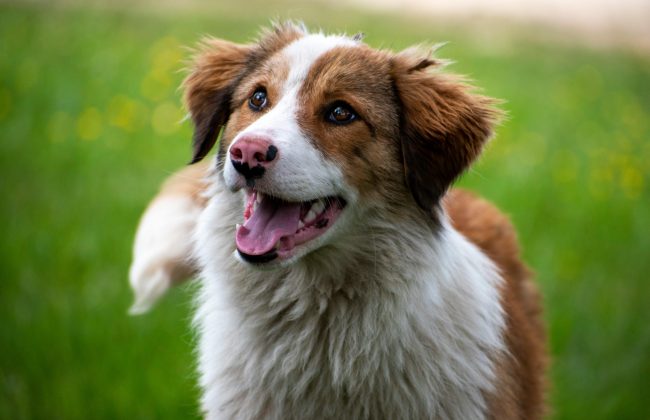
A calm dog can rest and stay steady in loud events or time alone, yet the collar only works if it holds the right ingredients. Many products claim quick relief, but not all use ingredients that research supports, so it helps to know what truly affects a dog’s stress level.
The best calming collars contain pheromones and select natural extracts that calm the nervous system and lower stress. Some formulas rely on scent signals that mirror those a mother dog gives her pups, while others use plant extracts or amino acids that support a balanced mood. This article explains how each ingredient works, so they can choose a collar with a clear purpose and safe components.
Pheromones
Pheromones rank among the most studied ingredients in a calming collar. These collars release synthetic dog appeasing pheromones that copy the scent a mother dog gives off to comfort her puppies, and dogs detect this signal through their nose.
Many owners consider the calming collar from Get FurLife and other natural brands because they use this type of synthetic pheromone to help lower stress behaviors such as barking, pacing, or hiding. The collar sits close to the skin, so it can release small amounts of pheromone over time and keep the signal steady throughout daily wear.
Research and veterinary guidance suggest that pheromone collars may help some dogs feel more secure, although results vary by dog and situation. A proper fit matters because a loose collar may not keep close contact, and without steady contact, the pheromone may not spread as intended.
Lavender Essential Oil
Lavender essential oil appears in many calming collars because people link it to relaxation. Some pet products blend lavender with synthetic pheromones that signal safety to a dog’s brain, which may support a calmer response to stress. As a result, the collar targets both scent and behavior cues.
Research on dogs shows mixed results, so owners should not expect a dramatic change. However, many veterinarians consider diluted lavender oil safe for dogs if manufacturers use it in low, controlled amounts. A well-made collar releases a small dose over time instead of a strong burst.
In addition, lavender may support rest and help dogs settle during travel, storms, or time alone. The collar should use dog-safe concentrations and clear ingredient labels. Owners should avoid products with high oil levels, since strong essential oils can irritate a dog’s skin or nose.
Chamomile Extract
Chamomile extract is a common ingredient in calming collars because it has mild soothing properties. It comes from a flowering herb that people have used for years in teas and skin products. In dog collars, manufacturers add small amounts of chamomile oil or dried extract to release a gentle scent.
This herb may help reduce signs of stress, such as restlessness or pacing, because its natural compounds support relaxation. In addition, chamomile has light anti-inflammatory and antifungal traits, which can benefit dogs with sensitive skin. As a result, it can serve two purposes in a collar that sits close to the neck.
Chamomile is generally safe for dogs in low concentrations; however, owners should check for skin redness or itching after first use. A well-made collar will list chamomile extract clearly among its active ingredients, so buyers can see exactly what it contains.
L-Theanine
L-theanine is an amino acid that comes from tea leaves, and many experts view it as one of the safer calming ingredients for dogs. It supports the release of brain chemicals such as GABA, serotonin, and dopamine, which relate to mood and stress control. As a result, a dog may feel more at ease without heavy sedation.
Research and clinical use suggest that L-theanine can reduce signs of anxiety linked to loud noises, travel, or separation. In addition, it tends to promote calm focus rather than drowsiness, so most dogs stay alert and responsive. This balance makes it a practical choice for daily stress support.
In calming collars, L-theanine may work best for mild to moderate anxiety. However, effects can vary based on the dog’s size, health, and sensitivity. Owners should review product details and consult a veterinarian to confirm that the ingredient suits their dog’s needs.
Valerian Root
Valerian root comes from the Valeriana officinalis plant and has a long history as a calming herb. Many calming collars include small amounts of valerian extract because it may support relaxation in dogs that show mild stress. In addition, some pet owners report that it helps dogs settle during travel, vet visits, or loud events.
Research in dogs remains limited, so results can vary from one animal to another. However, valerian contains natural compounds that may have mild sedative effects, which can reduce restlessness in some dogs. As a result, collars use low, steady doses to avoid strong effects.
Pet owners should use care with puppies, senior dogs, or dogs with health issues, since valerian may cause drowsiness. A veterinarian can help decide if a calming collar with valerian root fits a dog’s needs.
Conclusion
A dog owner should focus on clear, proven ingredients such as dog appeasing pheromones, lavender, chamomile, and L-theanine, since each one supports a calm response in a different way. Pheromones copy natural scent signals from mother dogs, while certain herbs and amino acids help reduce stress without harsh chemicals.
He or she should also review the label for simple, safe materials and avoid products with strong artificial scents or unclear additives, because sensitive dogs may react to those fillers. In addition, a collar should match the dog’s size, age, and health status, and a veterinarian can guide that choice if any concern exists.
A well-made calming collar with transparent ingredients and clear instructions gives dogs steady support for mild to moderate anxiety, and it allows owners to make informed decisions based on facts rather than claims.